
The Slow Travel Movement Is Changing How Travel Brands Show Up for Consumers
For years, the travel industry has encouraged consumers to see more, do more and fit as much as possible into every trip. But a growing interest in slow travel is challenging that mindset. And, I’m here for it.
“I personally got to experience the joy of slow travel this summer when I spent four months winding my way through Europe with the free spirit usually reserved for gap-year students. But, as a professional, It gave me a lot of time to think about the intersection of slow travel and brand marketing.”
Slow travel prioritizes deeper experiences over packed itineraries. Instead of simply passing through a destination, travelers spend enough time there to develop routines, form connections and experience what daily life actually feels like.
For destination marketers and travel product brands, this shift creates an opportunity to move beyond the transaction and become a more meaningful part of consumers’ lives.
Slow Travel Changes the Consumer Relationship
Traditional travel marketing often focuses on a single conversion: book the flight, reserve the hotel, buy the luggage or schedule the excursion.
Slow travelers have different needs.
A traveler staying somewhere for several weeks may need products and services that support working, cooking, commuting, exercising and building a short-term routine in a temporary home. They are not only purchasing a vacation. They are creating a version of everyday life in a new place.
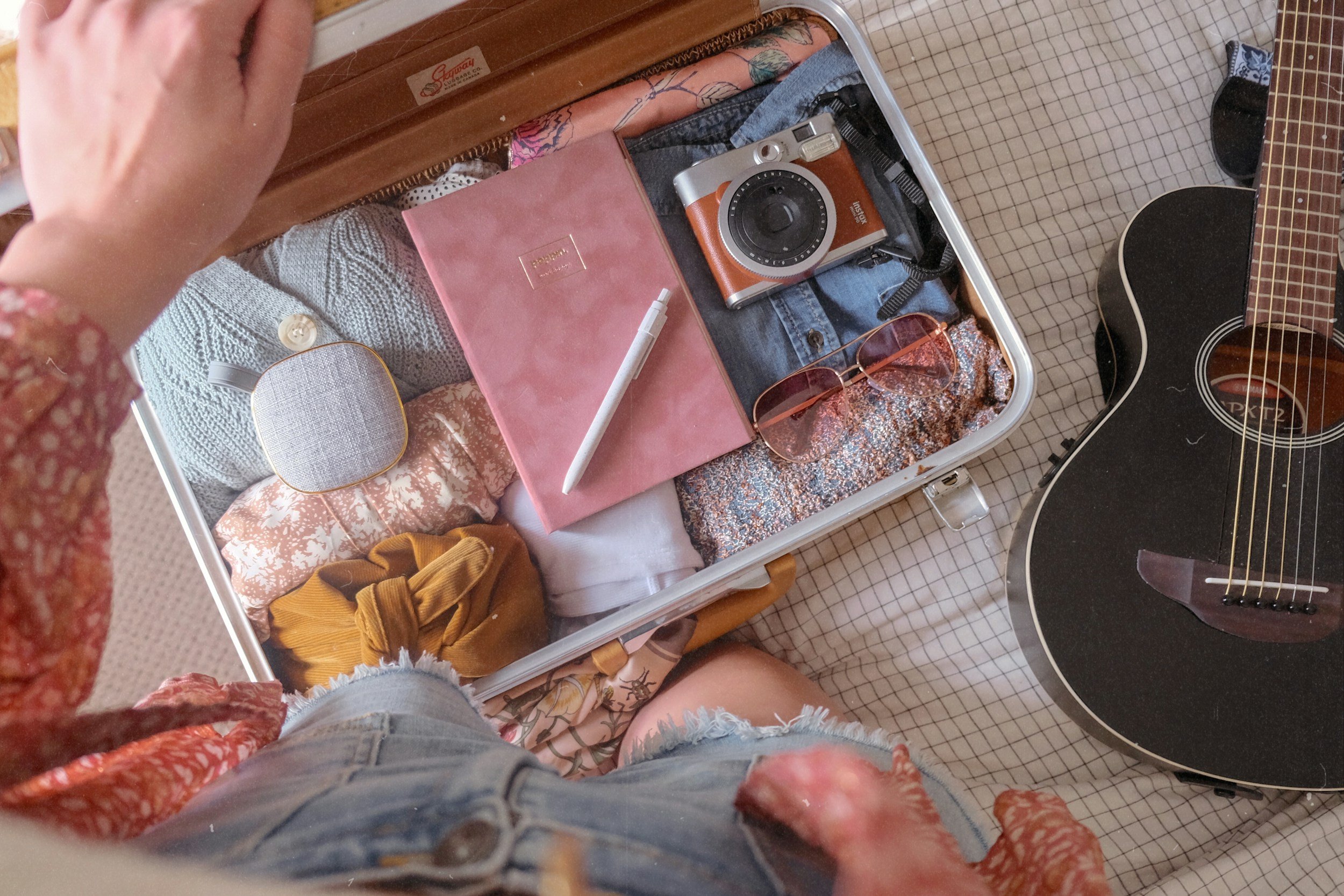
This gives brands more opportunities to stand out…
Before, during and after the trip.
A destination might help visitors understand local transportation, neighborhood culture and seasonal rhythms. A luggage brand might offer packing systems designed for longer stays. A hospitality company could provide spaces and services that support both productivity and relaxation.
When brands help consumers live better while traveling, they become more than part of the itinerary.
Destinations Can Market a Way of Life
So many tourism campaigns rely on the same collection of iconic landmarks, Michelin-starred restaurants and carefully framed vistas. Slow travel gives destinations permission to tell a richer story.
Slow travelers want to know what it is like to buy produce at the neighborhood market, take the train to a nearby town, work from a local café or return to the same bakery enough times to be recognized.
For destination marketers, this means shifting some attention from what visitors can see to how they can live.
Content might highlight:
Neighborhood guides organized around different lifestyles
Local businesses that warrant repeat visits
Public transportation how to’s and car-free itineraries
Seasonal rituals, markets and community events
Remote-work resources
This kind of storytelling does more than fill an itinerary. It helps travelers imagine themselves belonging in a destination, even temporarily.
Products Become Part of a Ritual
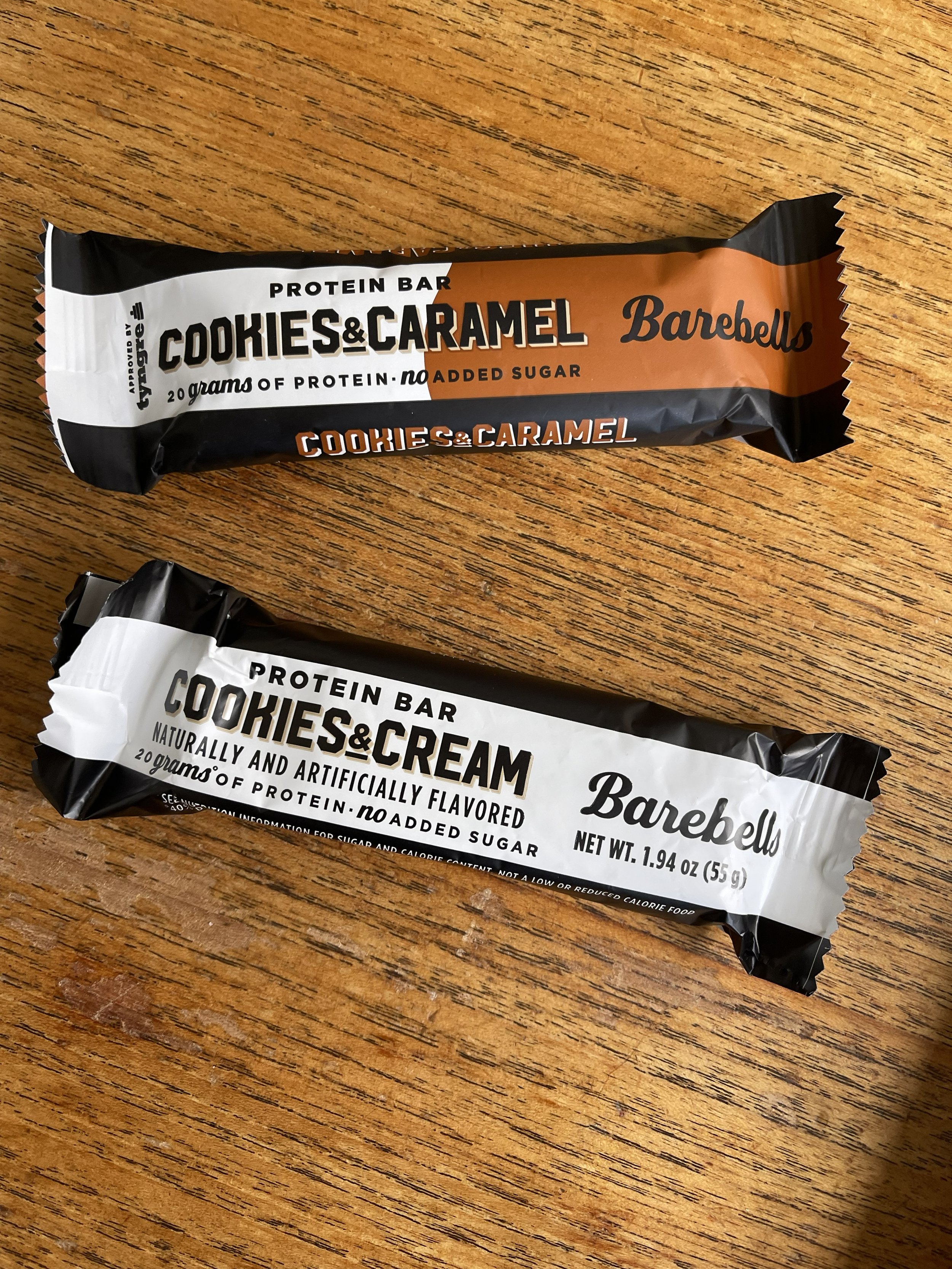
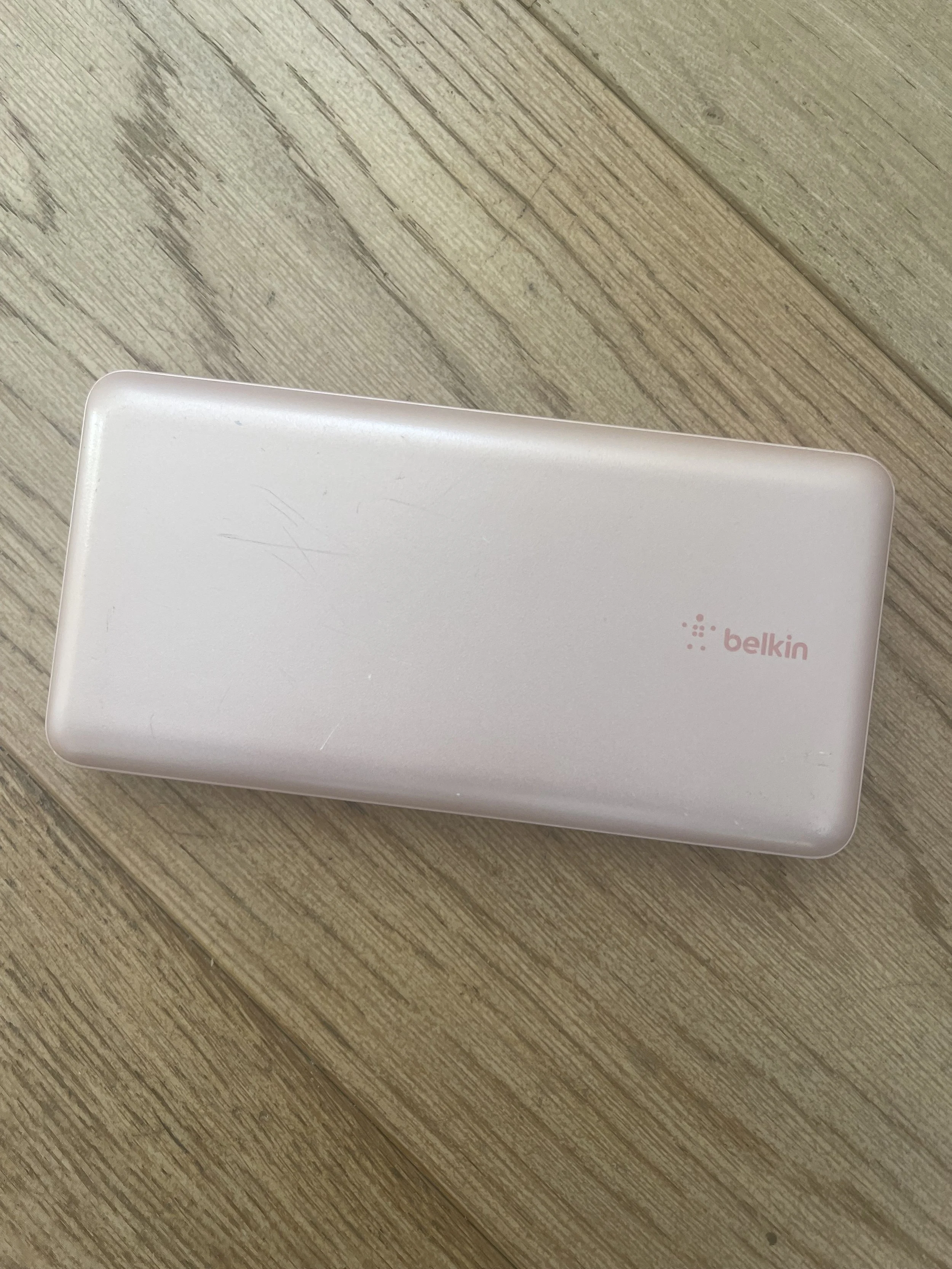
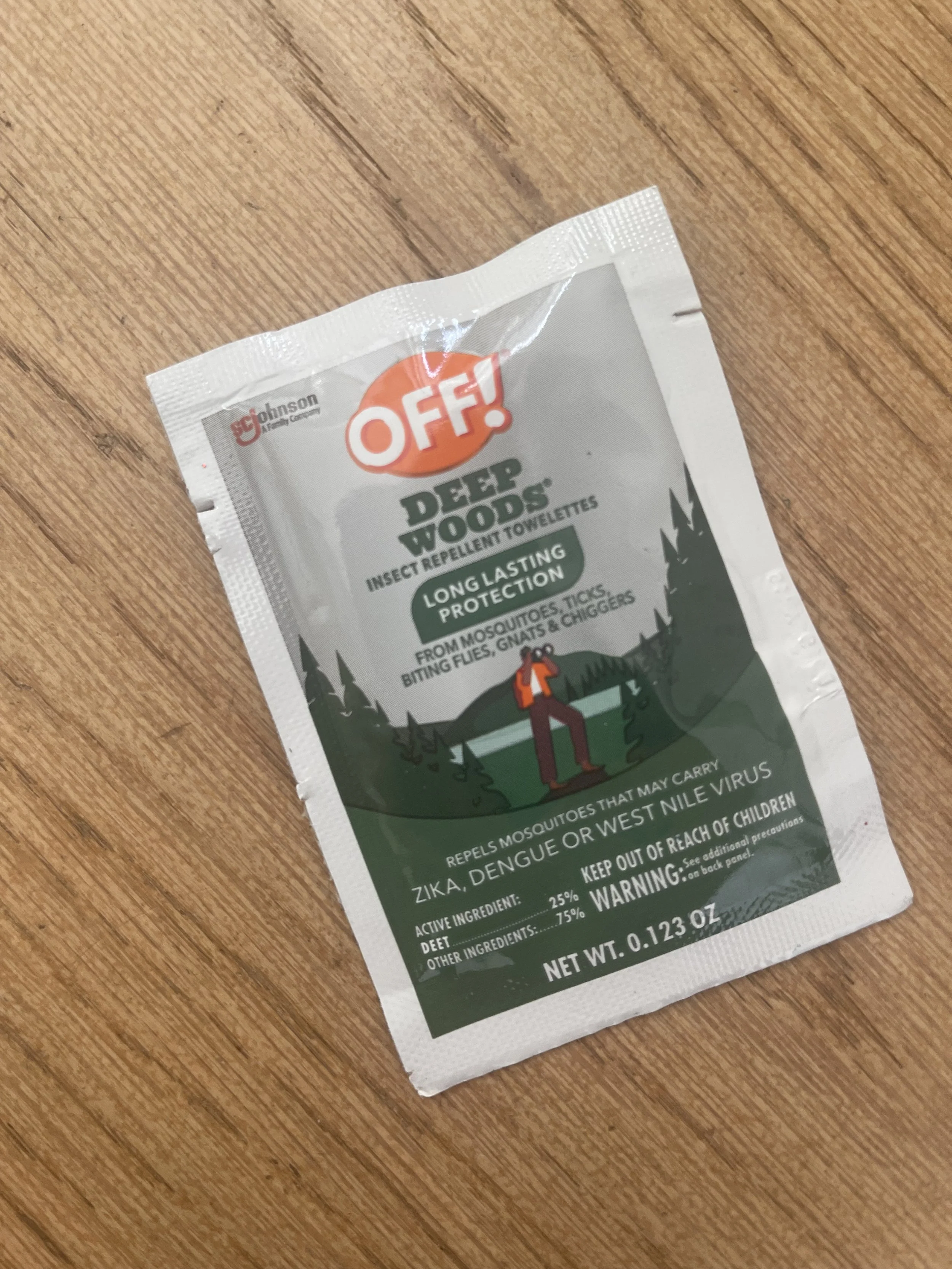
Slow travel also creates a different role for consumer products.
On a short trip, a product may solve an immediate problem. On a longer journey, it can become part of a traveler’s routine. The tote that goes to the market every morning or the mini martini shaker used to make your perfect gin cocktail begin to carry emotional meaning.
That is valuable territory for a brand.
Travel brands can design and market products around rituals rather than features alone. Instead of only emphasizing durability, size or convenience, brands can demonstrate how a product supports the way someone wants to feel while traveling: capable, comfortable, connected or at home wherever they are.
The most relevant question may not be, “How does our product help someone travel?”
It may be, “How does our product help someone live while they travel?”
These photos are of a few of my personal favorite brands that go where I go. (Barebells are the absolute best protein snack - IYKYK!)
Slow Travel Gives Creators a Better Story to Tell
Slow travel naturally produces stories with more depth. A rushed traveler may collect beautiful photographs but misses so much. This summer while in Lecce, Italy I witnessed an organized group tour rushing past a church snapping iPhone photos hurriedly while missing the intricate details of the limestone carvings that the photo will definitely not capture.
A slow traveler collects routines and personal discoveries. Those experiences give brands more meaningful material for creator partnerships, social content and storytelling.
Rather than commissioning another predictable “48 hours in” itinerary, a destination could partner with a creator for a multiweek residency. In fact, I’d personally love to build this for a destination so I’m hoping this inspires a destination to consider it!
The result is that content feels more useful, credible and emotionally connected because the creator has had time to experience the brand or destination in more depth.
Slow Travel Supports Tourism In a Different Way
Longer stays distribute visitor spending across more local businesses and encourage exploration beyond the most photographed attractions. Travelers may spend more time in residential neighborhoods, shop more frequently at local stores and visit destinations during quieter periods.
That does not make slow travel automatically sustainable. Destinations still need to consider housing pressure, resident needs and the effects of increased visitation. But it creates an opening for tourism strategies focused on quality of engagement rather than visitor volume alone.
From Selling the Escape to Enriching the Experience
Slow travel is not simply a new aesthetic built around flowing dresses, train windows and leisurely café mornings. Though, don’t get me wrong, I’ve enjoyed all those things this summer and I would certainly welcome a repeat of slow summer living. However, slow travel reflects a larger consumer desire for travel to feel more personal, intentional and integrated.
For destinations, that means marketing the rhythms and communities that make a place worth knowing more deeply.
For product brands, it means designing for the routines, challenges and emotional needs that emerge when travel becomes a temporary way of life.
If your destination or travel brand is ready to explore how the slow travel movement could shape its marketing, partnerships or creator strategy, I’d love to help build the roadmap. Connect with us on any of our channels @thisishaleycreative for marketing news; @travelthisweekend for personal travel odds and ends; or @slowmadliving for the latest on slow travel